
Services
Four ways to build the skills that flourish.
Every engagement is designed for the people in the room—whether that is one student learning to name what they feel, or a faculty learning to teach the same skills together.
Request a Proposal
Service 01
Individual Student Coaching & Mentorship
Personalized, ongoing support for teens and young adults, in person or virtually. Sessions are built around the student’s own goals, strengths and challenges—not a script.
- Emotional literacy: naming, understanding and regulating feelings
- Strengths discovery and values clarification
- Executive function, attention and study habits
- Relationships, boundaries and conflict repair
- Purpose, motivation and the transition to adulthood
Format · 1:1 sessions, ongoing or short-term · in person or virtual
Service 02
Student Workshops & Becoming Uncommon
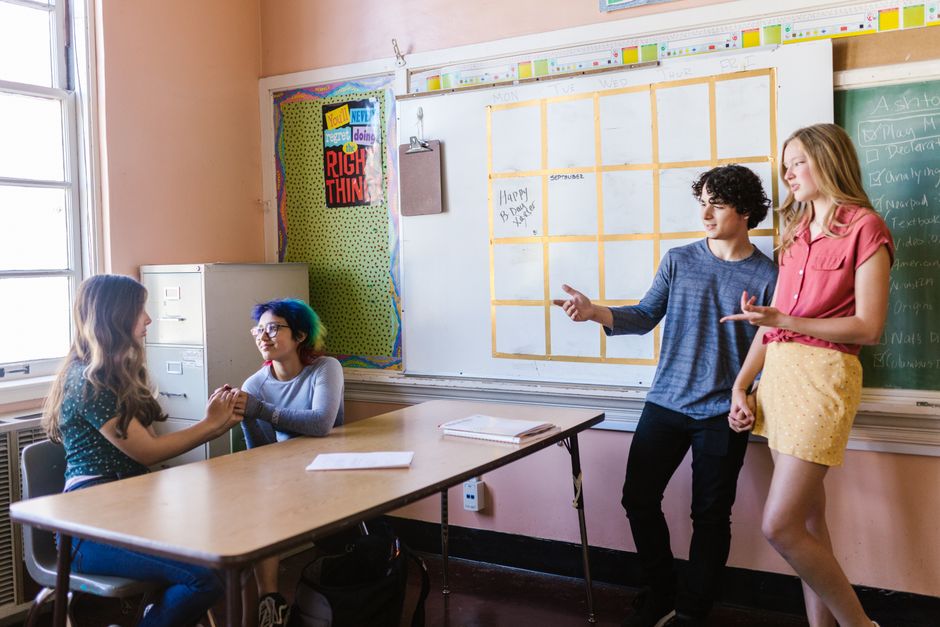
Engaging, experiential programs grounded in positive psychology, emotional intelligence and mindfulness. Workshops are interactive by design—students practice the skills rather than hear about them.
- Single sessions, multi-week series or year-long curriculum
- Advisory, wellness, leadership and retreat formats
- Peer conversation, reflection and group practice
- Facilitator guides so your own educators can continue the work
Format · Small group to full grade
About the Curriculum
Service 03
Faculty Development
Professional learning for the adults who support young people every day. Practical, collegial, and immediately usable in advisory, homeroom and classroom practice.
- Understanding adolescent development and the teenage brain
- Coaching language: how to respond so students keep talking
- Embedding well-being skills into existing curriculum
- Educator well-being and sustainable caregiving
- Building a shared school-wide language of flourishing
Format · In-service days, department sessions, multi-day institutes

Service 04
Parent Education
Warm, judgment-free sessions for parents and guardians—whether as a school-wide evening, a grade-level series, or a small group of families. The goal is simple: fewer arguments, more connection.
- What is normal development, and what needs attention
- Talking about anxiety, comparison and social media without a battle
- Supporting motivation without taking over
- Naming and handling your own reactions under stress
Format · Evening talks, series, small-group workshops
Where To Begin
Find the right starting point
You want support that is yours alone.
Start with individual coaching and mentorship. We set goals together, meet consistently, and build skills you can use long after our sessions end. Many students begin with a single conversation and a six-week focus.
You want change that reaches every student.
Begin with a faculty workshop and a student workshop series in the same term. When educators and students share one vocabulary, well-being becomes part of school culture rather than a special event.
You want to feel steadier at home.
Join a parent education session—on your own school’s campus or in a small family group. You will leave with language to use tonight, not theory to admire.
Common Questions
Working together, answered
Tell me what your school year needs.
Share your goals and calendar, and I will suggest the format that will move the needle furthest for your students.
Request a Proposal